
Every household eventually faces the same quiet decision about how to heat its water. Electric tanks hum along reliably, yet their running costs climb higher every quarter. Gas systems offer speed but remain tied to volatile fuel prices year after year.
Solar changes that equation by using sunlight instead of constant grid or gas input. Understanding the cost of a solar water heating system helps Ballarat homeowners properly weigh the upfront investment. This guide walks through pricing, rebates, and whether solar genuinely pays for itself over time.
Getting the numbers right upfront prevents surprises once quotes start landing in your inbox.
Several practical elements combine to determine your final quote before installation even begins.
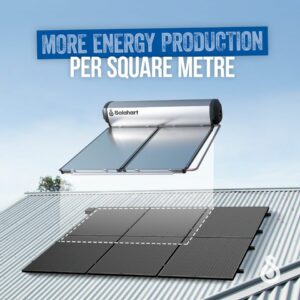
A solar water heating system can be thermosiphon, split, or heat pump-based, each with a different price. Roof-mounted thermosiphon units generally cost less than split systems with separate ground-level tanks. Climate and roof design usually determine which type of system best suits your property.
Bigger households need larger tanks, which naturally increases both equipment and installation costs. Undersizing your tank creates daily shortfalls, while oversizing wastes money on unused capacity. Getting this figure right from the outset avoids costly capacity adjustments further down the track.
Steep pitches, unusual roof materials, or difficult access can significantly increase labour costs. A straightforward, accessible roof typically keeps your installation quote closer to standard pricing. Older homes sometimes need minor structural checks before any installation can proceed safely.
Most Ballarat installations include a booster to ensure hot water during extended periods of cloud cover. Gas boosters generally cost more upfront than electric ones but often run more cheaply.
Replacing an old system adds removal and disposal costs on top of the new installation price. Compliance upgrades sometimes become necessary when replacing outdated electrical or plumbing connections entirely.
Government support can meaningfully offset your upfront investment before you even sign a contract.
The Australian Government provides incentives, called small-scale technology certificates, through the Clean Energy Regulator that reduce the costs of eligible systems. Most accredited installers, including Solahart Ballarat, automatically apply these certificates at the point of sale.
Some states also layer additional rebates on top of the federal scheme for eligible households. Checking your current Victorian eligibility before purchasing ensures you claim every available discount. Your installer should always confirm the current rebate amounts before finalising your quote and paperwork.
| System Type | Typical Purchase Cost | Typical Annual Running Cost |
|---|---|---|
| Electric storage | $800–$2,000 | $750–$1,100 |
| Solar hot water | $3,000–$8,000 | $100–$400 |
| Heat pump hot water | $3,500–$5,500 | $250–$500 |
Electric systems remain cheaper upfront but cost considerably more to run across their lifespan. Solar systems flip that equation, front-loading the investment for steadily lower ongoing bills.
Baran Yildiz and Hossein Saberi, renewable energy engineering researchers at UNSW Sydney, note that more than half of Australian households still rely on electric storage water heaters. Switching even a portion of that demand to solar meaningfully reduces household energy costs.
Payback periods generally range from five to ten years depending on your household’s usage patterns. Most homeowners who stay in their property long-term recover their investment comfortably within that window.
Solahart Ballarat handles every solar hot water system installation using local, in-house electricians. This approach keeps accountability with one team rather than rotating subcontractors across your project.
Backed by over 70 years of Australian manufacturing experience, Solahart builds systems suited to local conditions. Homeowners installing solar panels in Ballarat often bundle them with hot water upgrades for efficiency. Bundling installations this way can reduce overall labour costs and the need for repeat site visits.
Solar water heating costs more upfront, but the long-term savings and rebates make it a sound investment for most Ballarat households. Your final price depends heavily on system type, tank size, and existing infrastructure.
Solahart Ballarat’s local team can walk you through your options and provide a transparent, itemised quote. Contact Solahart Ballarat today to start planning your household’s solar hot water upgrade, backed by decades of trusted local experience and expertise.
Yes, solar hot water systems generally cost far less to run because sunlight covers most of the daily heating demand.
Savings vary by household size and climate, though many families notice a meaningful drop in quarterly energy bills.
Most quality systems last between fifteen and twenty years with proper maintenance and occasional booster servicing.
Yes, though output drops during cloudy periods, which is precisely why most systems include a booster for backup.
Victorian households can often combine federal small-scale technology certificates with additional state-based incentives where currently available.
Disclaimers: